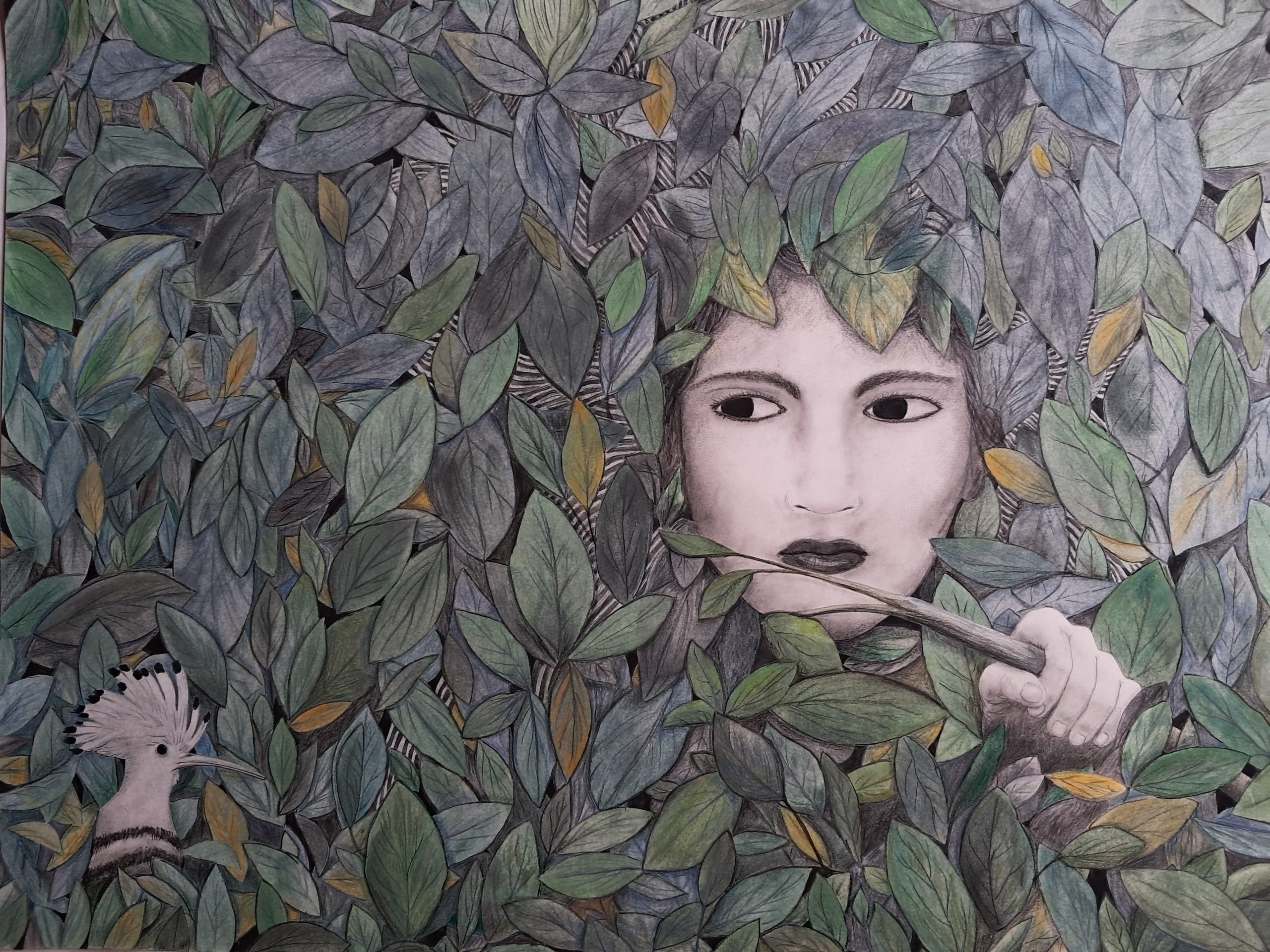
GIOVANNA PELLICONI, Italian designer and illustrator.
Without hesitation, Elara plucked the brightest and most beautiful leaf from a tree that seemed to be made of light. The moment the leaf touched her hands, a deep voice echoed in the air—it was the voice of the tree itself: – “You have taken the Leaf of Life, Elara. This leaf holds the power to heal what your heart needs most. If used wisely, it can fill the void within you. But remember, only the truth of the soul can guide you.”
Elara placed the golden leaf on her chest. Instantly, it disintegrated into a golden dust that scattered into the air. A surge of energy coursed through her body, and the emptiness she had carried for so long vanished. She was overwhelmed by a profound understanding of herself—a revelation that her destiny was to protect nature, the environment where she felt truly at home.
The day I discovered a microscopic leaf of an unknown plant in the Páez River Valley, a native elder shared with me the incredible story of its life and usefulness. It was on that same day that the idea for the MICROWORLDS series was born.
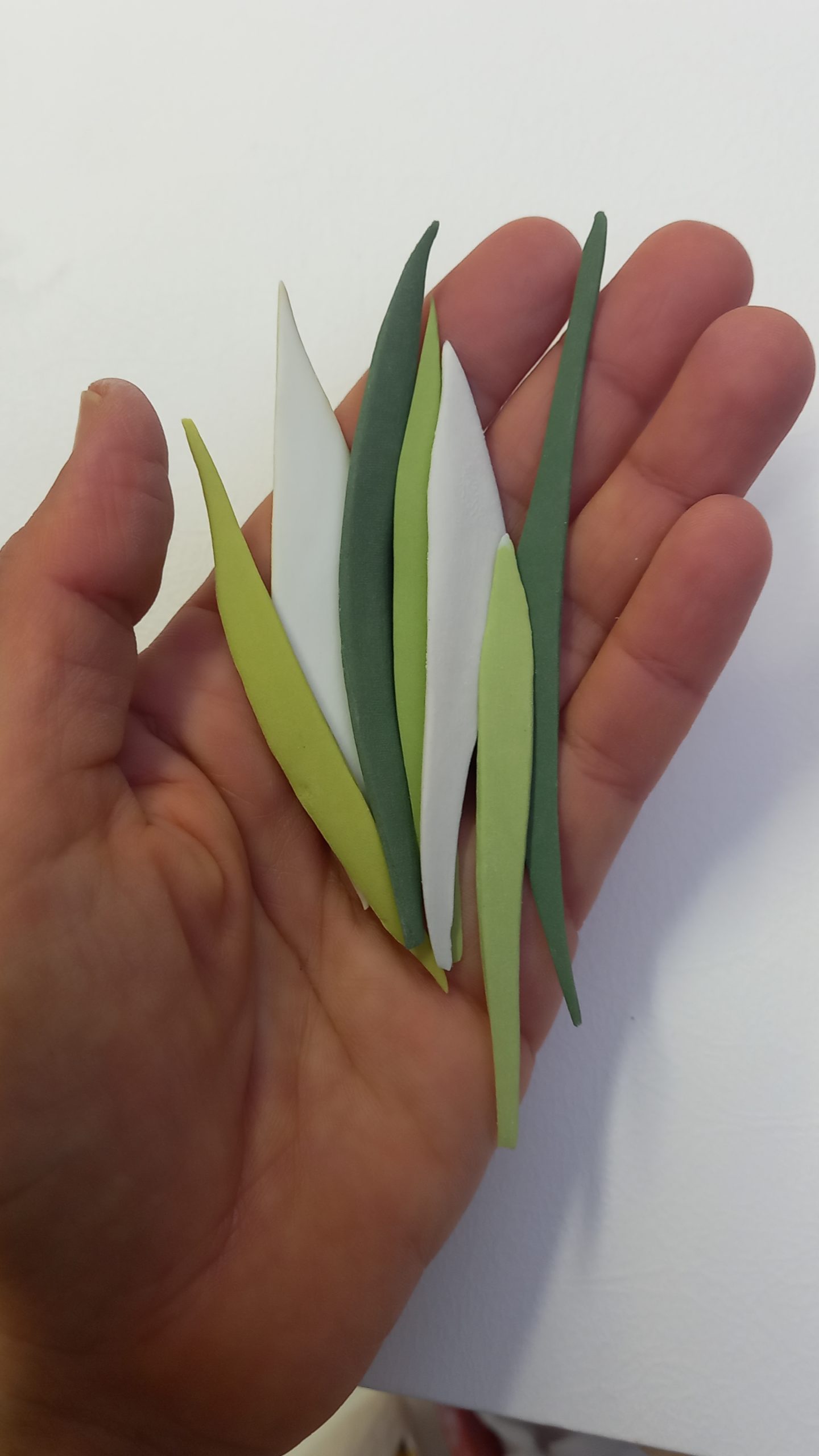
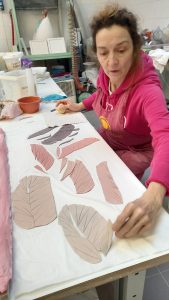
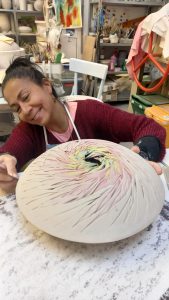
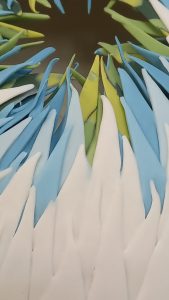
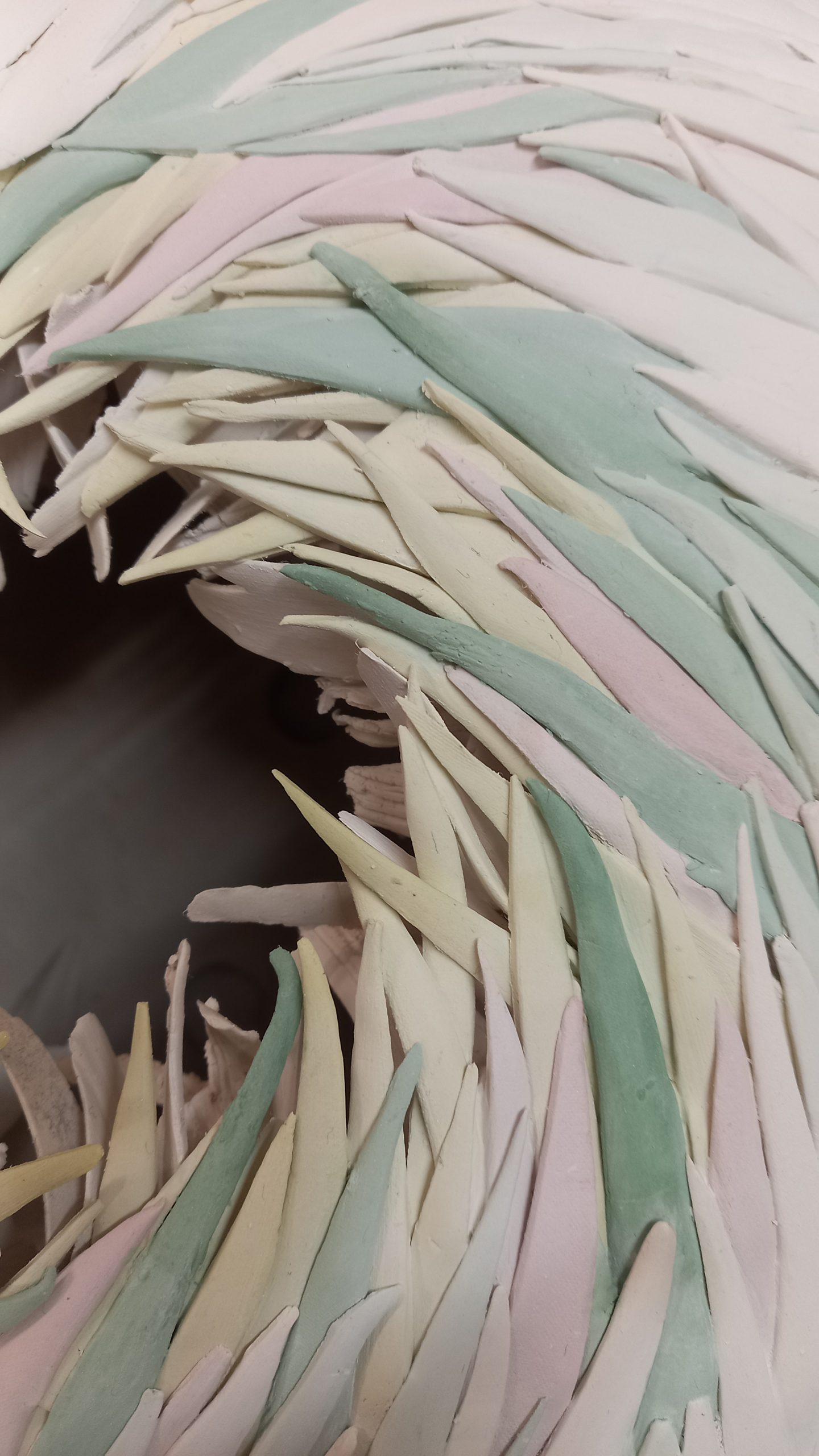
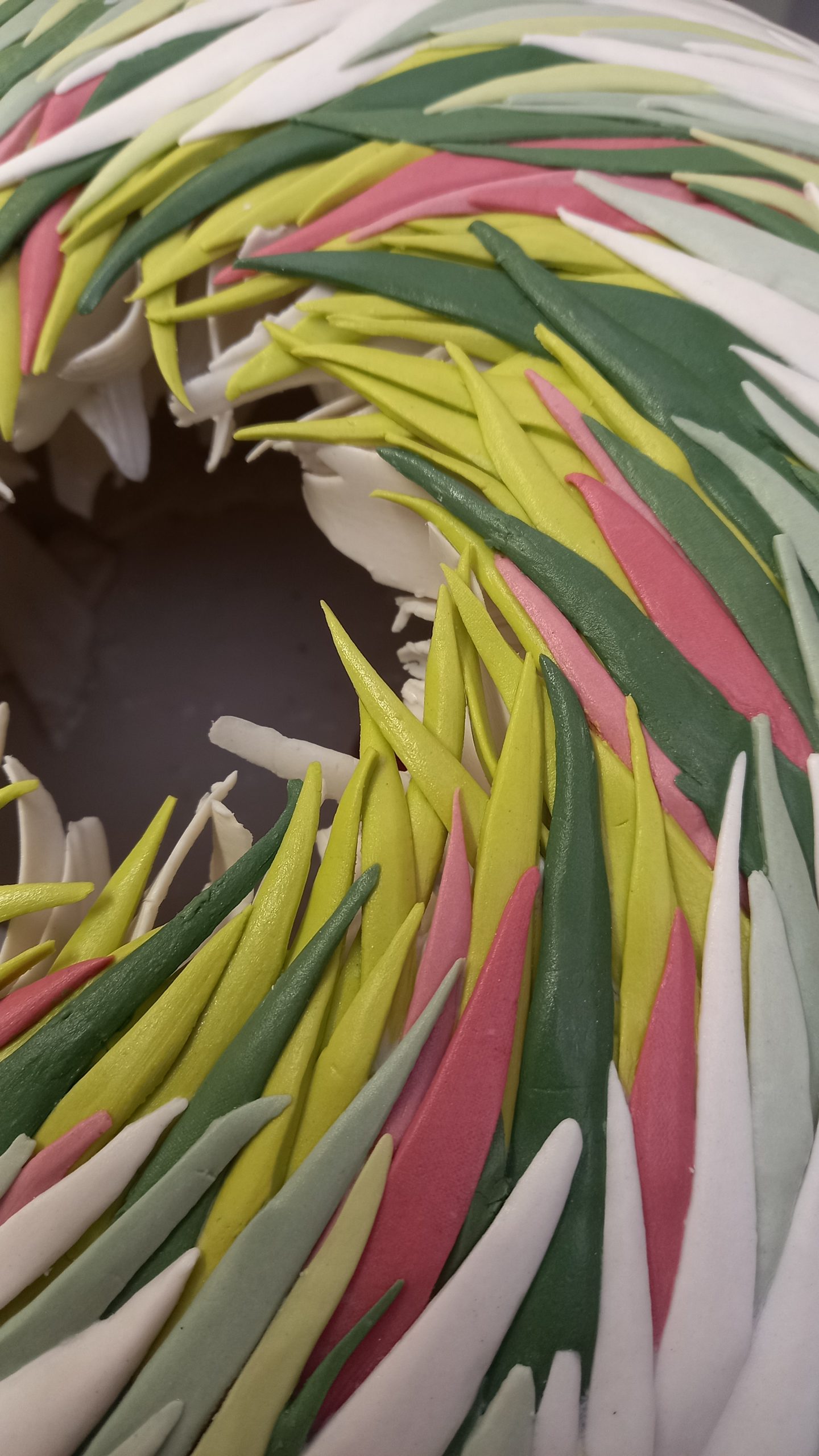
It took me 15 years of meticulous practice to skillfully craft the porcelain leaves that make up the sculptures in the MICROWORLDS series. These leaves are created entirely by hand, without the use of 3D technology, molds, or mechanical aids, relying solely on my vision and a heart full of joy. In my studio, nestled in an old Moorish-style house on Via Laghi in the small town of Faenza, Italy, the creation of each leaf takes at least a month and a half to complete its sculptural journey.
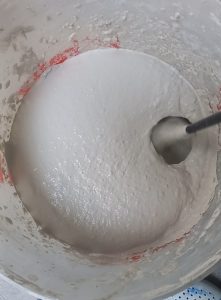
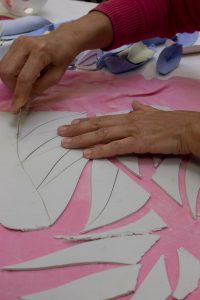
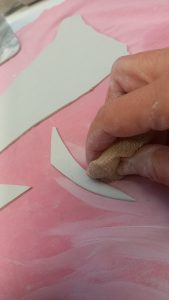
The process begins with a carefully prepared mixture of kaolin, feldspar, quartz, and other components. By adding water, I create a slip that is left to rest for a week. This soft, white mixture is then rolled into a flexible sheet, on which I draw and cut the leaves. Each leaf is individually shaped, cleaned, and stored to gradually lose excess moisture.
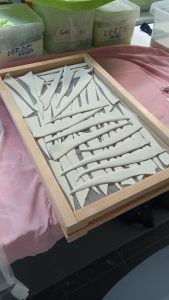
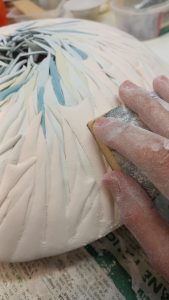
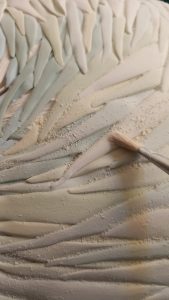
During the third week, the sculpture begins to take form as I select and layer the leaves based on their size and shape. The work is then covered for a week, allowing moisture to evaporate slowly and evenly. At this stage, I refine and clean the surface until it reaches the “leather” state. A few days later, when the sculpture enters the “bone” state, I perform the final smoothing and detailing.
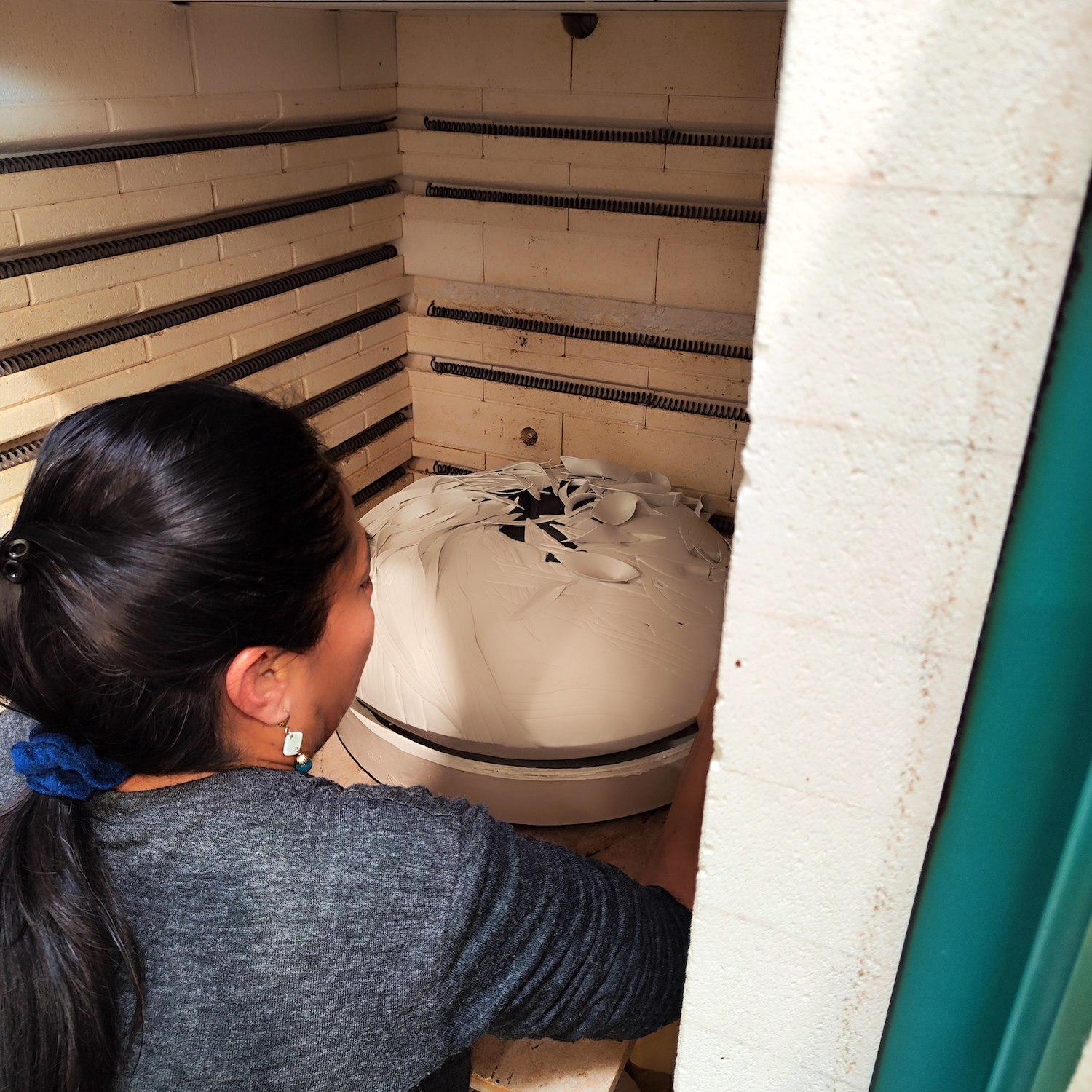
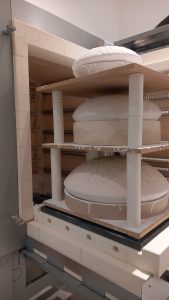
In the fifth week, the piece undergoes its first firing, known as the “biscuit” firing
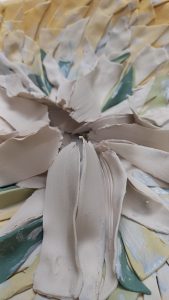
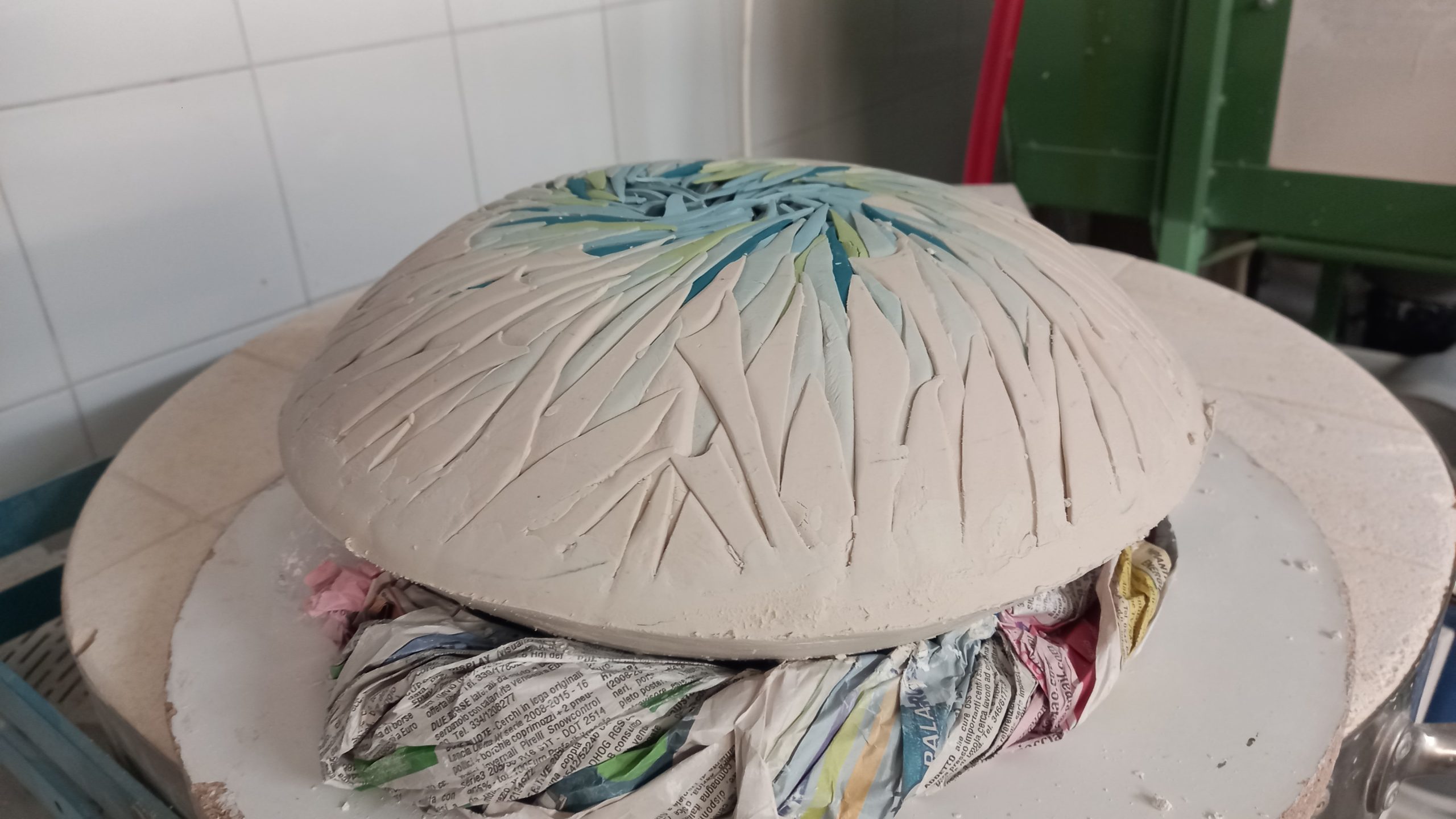
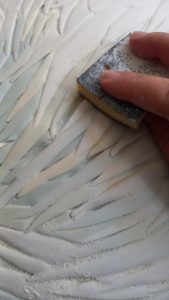
After two days, I continue refining and correcting the shapes and textures. Finally, the sculpture is fired at a temperature between 1260 and 1270°C. After three days, it is removed from the kiln and given its final cleaning using water and sand.
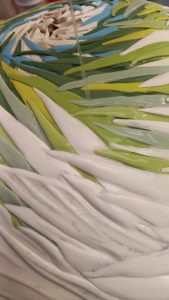
*Here you can see the difference between the raw piece and the piece that has reached melting point.
The mastery I have developed in crafting these sculptures, while deeply fulfilling, pales in comparison to the ecological expertise of the indigenous peoples who dedicate their lives to protecting our planet. Their practices in ecological engineering—managing native species with precision and respect for their microclimatic needs—demand a profound understanding of nature’s complexity.
I believe we have yet to fully grasp the “journey of a leaf.” We still struggle to comprehend the environmental, spiritual, and cultural intricacies of these “green” and “human” communities.
(1) Fragment inspired by Norse mythology and the Yggdrasill tree, also known as the World Tree or Odin’s Tree. The story of the Magic Leaf is a fable about self-knowledge and inner transformation, emphasizing the profound connection between humanity and nature.
(2) Also known as Nameyo by the indigenous people, meaning “river of sardines,” the Páez River originates in the Nevado del Huila at 5,700 meters above sea level. It flows through southwestern Colombia, eventually joining the great Magdalena River, which empties into the Caribbean Sea.